
Home | Neurofeedback in Corona, CA
Neurofeedback in Corona, CA
Brain training for calm, focus, and emotional balance
Neurofeedback uses real-time feedback to help your brain practice healthier patterns for focus, self-regulation, sleep, and everyday balance.
- Personalized EEG biofeedback
- Non-invasive brain training
- Support for children, teens, and adults
- May support focus, anxiety, sleep, and regulation
- Local care in Corona, CA
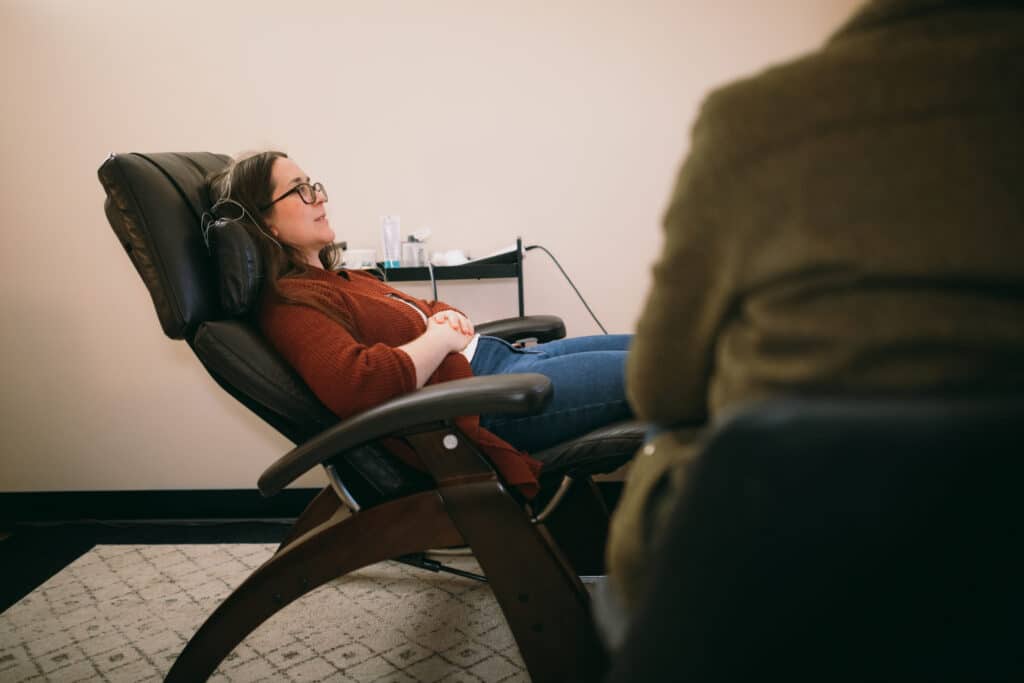
What Is Neurofeedback?
Neurofeedback, also called EEG biofeedback, is a non-invasive form of brain training. During a session, small sensors are placed on the scalp to read brainwave activity. These sensors only listen to brain signals — they do not shock you or send anything into the brain.
As your brain activity is measured, you receive simple feedback through visuals, sound, or a screen. When your brain moves toward a more regulated pattern, it receives feedback that helps it learn. Over time, the brain practices self-regulation in a way that may support focus, calm, sleep, and emotional balance.
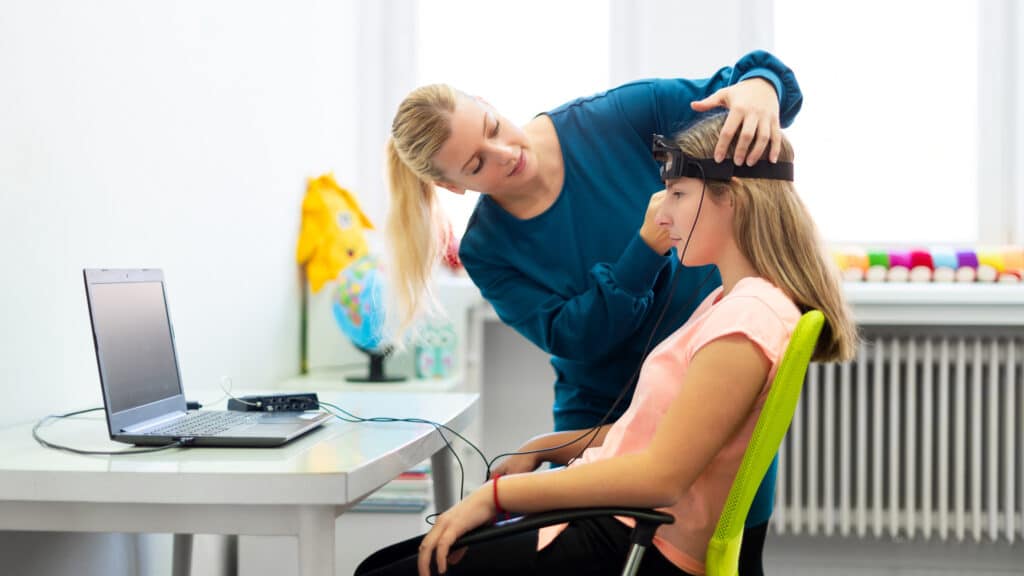
Meet your Neurofeedback technician
Jennifer Vallejo

Jennifer Vallejo is a Certified Neurofeedback Technician providing individualized Neurofeedback and brain training at Weber Counseling Services. She supports children, teens, and adults seeking to improve emotional regulation, focus, stress management, sleep, and overall mental wellness through a comfortable and supportive Neurofeedback experience.
Talk with our team about your goals, ask questions, and see whether neurofeedback may be a good fit.
No pressure or obligation. Please do not include sensitive medical information in this form.
Prefer to talk?
A personalized approach to brain-based support
Personalized Just for You
Every brain is different. Sessions are shaped around your goals, patterns, and needs — not a generic protocol.
Real-Time Feedback
Neurofeedback uses measurable brainwave activity to help the brain recognize and practice more balanced patterns.
Non-Invasive
Small sensors read brain activity. They do not shock you, put anything into the brain, or require medication.
Guided Over Time
Progress is monitored, sessions are adjusted, and the focus stays on practical support for everyday life.
Why People Choose Neurofeedback
People often explore neurofeedback when they want additional support for focus, stress, sleep, emotional regulation, or nervous system balance. It can be used on its own or alongside therapy, medication management, school support, or other care.
Focus
May support attention, follow-through, organization, and mental clarity.
Anxiety & Stress
May help the nervous system practice calmer, more regulated patterns.
Sleep
May support the brain’s ability to settle, unwind, and maintain healthier rhythms.
Emotional Regulation
May support steadier responses to frustration, overwhelm, and big emotions.
ADHD-Related Concerns
May support focus, restlessness, impulsivity, and daily follow-through.
Children & Teens
May help growing brains practice self-regulation in a gentle, non-invasive way.
Brain Self-Regulation
Helps the brain learn through feedback, repetition, and practice.
How Neurofeedback Works
Neurofeedback is a learning process. Nothing is forced. Your brain receives feedback, practices new patterns, and sessions are adjusted based on your progress and goals.
Curious whether neurofeedback may be a fit?
Step 1: Consultation and Assessment
We start by learning about your goals, history, current concerns, and what you hope neurofeedback may support.
Step 2: Personalized Training Plan
Your provider creates a plan based on your needs and the patterns being targeted. There is no one-size-fits-all program.
Step 3: Sensors Read Brain Activity
Small sensors are placed on the scalp to monitor brainwave activity. The sensors only read signals; they do not put anything into your brain.
Step 4: Real-Time Feedback
You may watch a screen, listen to sound, or receive visual feedback while your brain practices more regulated patterns.
Step 5: Progress Is Tracked
Your sessions are monitored and adjusted over time so the plan stays connected to your goals.
Who Neurofeedback May Support
At Weber Counseling Services in Corona, neurofeedback may be explored by children, teens, adults, parents, students, and professionals looking for brain-based support that feels personalized and collaborative.
Neurofeedback is not about labeling you or your child. It is about understanding how the brain is functioning and helping it practice patterns that may make everyday life feel more manageable.

Neurofeedback for Children and Families
You do not need another label to know something feels off. Many parents notice changes in focus, learning, emotions, sleep, or confidence before they know exactly what to call it.
Neurofeedback offers a gentle way to support the brain’s ability to regulate. During sessions, your child simply watches a screen while small sensors read brain activity. Nothing is put into the brain, and the sensors do not shock your child.
Over time, the brain receives feedback and practices calmer, more balanced patterns. This may help daily routines, learning, emotions, and transitions feel more manageable. Many families also explore child therapy or teen therapy alongside neurofeedback.
Neurofeedback does not teach kids how to behave. It helps the brain practice self-regulation, which may support learning, emotions, and daily routines over time.
- Focus and attention challenges
- Big emotions
- Learning frustration
- Sleep issues
- Confidence struggles
- Restlessness
- ADHD / ADD-related concerns
- Anxiety or stress
- Difficulty with transitions
- Emotional overwhelm
Neurofeedback for Focus and ADHD-Related Concerns
Focus, motivation, organization, and follow-through can be difficult when the brain is having trouble regulating attention. Neurofeedback may support the brain patterns involved in attention, impulse control, and everyday follow-through.
For some people, neurofeedback is explored as an additional tool alongside therapy, school support, medication management, or other care. A consultation can help determine whether it may be a good fit for your goals.
- Trouble focusing
- Restlessness
- Difficulty following through
- Procrastination
- Impulsivity
- Trouble staying organized
- Feeling overwhelmed by tasks
- ADHD / ADD-related concerns


Neurofeedback for Anxiety and Stress Regulation
When the nervous system feels stuck in high alert, it can be hard to slow down, rest, think clearly, or feel steady. Neurofeedback may help the brain practice calmer patterns by using real-time feedback and repetition.
Many people explore neurofeedback because they want additional tools for overthinking, stress, sleep, or feeling more regulated day to day. Neurofeedback can be used alongside therapy, medication management, mindfulness, or other supportive care.
- Overthinking
- Stress
- Feeling on edge
- Trouble relaxing
- Sleep disruption
- Emotional overwhelm
- Nervous system regulation
- Difficulty feeling settled
Neurofeedback for Sleep and Emotional Regulation
Sleep, mood, and emotional balance are closely connected to nervous system regulation. When the brain has trouble shifting out of stress patterns, it can affect rest, energy, focus, and the way you respond to everyday challenges.
Neurofeedback may support the brain’s ability to settle, reset, and practice more flexible patterns over time.
- Sleep disruption
- Difficulty winding down
- Emotional reactivity
- Mood changes
- Stress recovery
- Big emotions
- Trouble feeling settled
- Daily overwhelm

Why Choose Weber Counseling Services for Neurofeedback?
At Weber Counseling Services, neurofeedback is calm, personalized, and explained in plain language. You will know what is happening, why it matters, and how your plan is being shaped around your goals.
Personalized Protocols
Every brain is different. We begin by understanding your needs and goals, then create a training plan that is tailored to you.
Non-Invasive Brain Training
Neurofeedback works by reading brainwave activity and providing feedback. It does not shock the brain or require medication.
Trauma-Informed Care
Our team understands that safety, pacing, and trust matter. Sessions are designed to feel supportive and clear.
Support for Children, Teens, and Adults
We offer neurofeedback support for a wide range of ages and needs.
Local Care in Corona
We provide neurofeedback in Corona, CA for clients in Riverside County and nearby communities.
No-Pressure Consultation
Ask questions, learn about your options, and decide whether neurofeedback feels like the right next step.

Local care from people who live here and care deeply
Our team is here to help you understand your options and find a plan that fits you or your loved one — emotionally, practically, and personally.
Insurance and Cost Questions?
Coverage for neurofeedback can vary by plan and provider. Our team can help you explore options, understand potential costs, and talk through next steps before you begin.
No pressure. No obligation. Just a conversation about what may fit your needs.
FAQs About Neurofeedback
What is neurofeedback?
Neurofeedback, also called EEG biofeedback, is a non-invasive form of brain training that uses real-time feedback to help the brain practice more regulated patterns.
How does neurofeedback work?
Small sensors are placed on the scalp to read brainwave activity. The sensors do not shock you or put anything into the brain. Your brain receives feedback through visuals or sound and practices shifting toward more balanced patterns.
Does neurofeedback shock the brain?
No. Neurofeedback sensors only read brainwave activity. They do not send electricity into the brain.
Is neurofeedback safe?
Neurofeedback is non-invasive and generally well tolerated. Some people may feel tired after sessions. A consultation can help determine whether neurofeedback is appropriate for your needs.
Can neurofeedback help with ADHD?
Neurofeedback may support attention, focus, impulse control, and self-regulation for some people. It can also be explored alongside therapy, school support, medication management, or other care.
Can neurofeedback help with anxiety?
Neurofeedback may support nervous system regulation and calmer brainwave patterns for some people. Many people explore it as an additional tool for stress, overthinking, sleep, and emotional balance.
Is neurofeedback good for children?
Neurofeedback can be adapted for children and teens. It may support focus, emotional regulation, sleep, and daily routines in a gentle, non-invasive way.
How many neurofeedback sessions are needed?
The number of sessions varies depending on goals, needs, and progress. Neurofeedback is a training process, so many people participate in multiple sessions over time.
Is neurofeedback the same as therapy?
No. Neurofeedback is brain training, while therapy focuses on thoughts, emotions, relationships, coping skills, and life experiences. Some people use both together.
Can neurofeedback be used with therapy or medication?
Yes. Neurofeedback can often be used alongside therapy, medication management, school support, or other care. Your provider can help you explore what fits your situation.
Do you offer neurofeedback in Corona, CA?
Yes. Weber Counseling Services offers neurofeedback in Corona, CA for children, teens, and adults.
Is neurofeedback covered by insurance?
Coverage varies by plan and provider. Our team can help you explore possible coverage and costs before you begin.
The information on this page is for educational purposes only and is not medical advice, diagnosis, or treatment. Neurofeedback may not be appropriate for everyone. Please consult a qualified healthcare professional before beginning any neurofeedback program.
